Unlocking the Potential of Underclocking ASIC Miners
Cryptocurrency mining has always been a delicate balancing act between cost, efficiency, and output. For those leveraging ASIC (Application-Specific Integrated Circuit) miners, optimizing performance often goes beyond just maximizing their hashrate. One lesser-known strategy that’s gaining traction is underclocking these devices. But what exactly does this involve, and why is it worth considering?
Underclocking an ASIC miner means reducing its clock speed—or the rate at which it processes tasks. While this might sound counterintuitive to maximizing performance, the practice comes with a host of compelling benefits that address energy consumption, hardware longevity, and overall profitability. Below, we’ll break down the key advantages to help you decide if underclocking is the right strategy for your mining operations.
The Benefits of Underclocking ASIC Miners
1. Reduced Power Consumption
One of the most immediate benefits of underclocking is the reduction in power usage. ASIC miners are notorious for their energy demands, and dialing back the clock speed can significantly cut electricity consumption. For example, an ASIC device consuming 1,500 watts of power at full capacity might drop to just 1,200 watts when underclocked.
This can translate into substantial cost savings, particularly in regions with high electricity rates. Lower energy use also means operators can mine profitably during periods of volatile cryptocurrency prices, creating more room to weather market downturns.
2. Lower Heat Generation
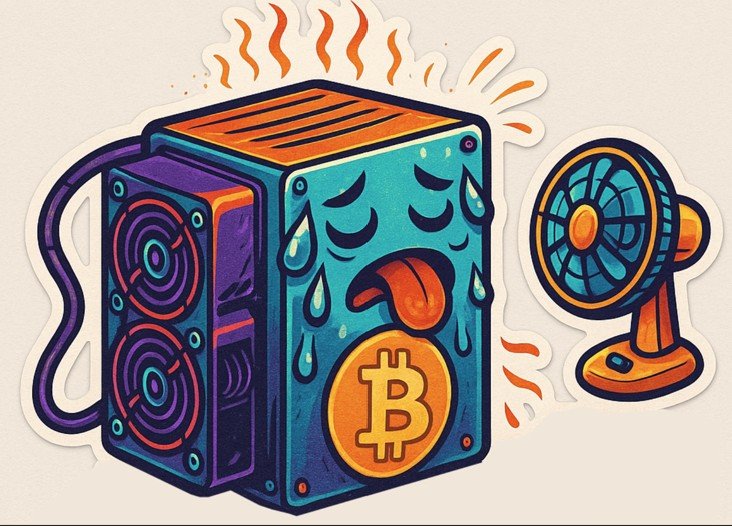
Running an ASIC miner at full speed produces a tremendous amount of heat. By underclocking, you reduce the workload on the hardware, thereby decreasing the heat output. With cooler operating temperatures, miners require less active cooling, whether via fans, air conditioning, or other ventilation systems. This not only cuts down on cooling costs but also minimizes the risk of thermal damage to hardware components.
3. Improved Hardware Longevity
Heat and constant high-performance operation are two significant factors that strain the lifespan of an ASIC miner. Underclocking reduces this strain by letting the hardware operate at more manageable performance levels. With less wear and tear, your miners are likely to remain in good working condition for a longer period, delaying the need for costly replacements.
Many miners, especially those operating on tight budgets, view hardware longevity as a critical factor for staying competitive. Underclocking is one of the simplest ways to extend the value of the investment you’ve made in your devices.
4. Increased System Stability
High clock speeds can sometimes push mining hardware to its limits, leading to crashes, hardware errors, or overheating. By underclocking, you create a more stable operating environment for your ASIC. This means fewer interruptions to uptime or profitability caused by technical faults or downtime for repairs.
For miners running farms with multiple ASICs, improved stability is a significant operational advantage. Without constant disruptions, you can ensure smoother mining operations, ultimately improving your earnings potential.
5. Noise Reduction
ASIC miners, when running at full speed, can make quite a racket. The noise doesn’t only come from the machines themselves but also from the cooling fans that kick into high gear to keep temperatures under control. Underclocking reduces the heat generated, which often allows the cooling systems to operate more quietly.
For miners operating their rigs in residential areas or shared spaces, this can be a game-changer. A quieter setup ensures less disturbance to neighbors or cohabitants and makes for a more comfortable working environment.
6. Improved Hashrate Efficiency (Hashrate per Watt)
At first glance, reducing clock speed might seem counterproductive since it lowers the overall hashrate. However, underclocking often improves the efficiency of the miner, measured by the hashrate generated per watt of power consumed.
For instance, while an underclocked ASIC might produce 10% less hashrate, it could consume 20% less power. This means you’re extracting more value for every watt of electricity, which benefits both your wallet and your sustainability efforts.
7. Flexibility in Mining Strategies
Underclocking provides miners with the flexibility to adapt to changing market conditions. During periods where cryptocurrency prices are low, underclocking allows miners to focus on reducing operational costs instead of maximizing output. Conversely, during bullish markets, miners can return to full clock speeds for maximum production.
Having the ability to adjust your hardware’s performance according to your financial or environmental circumstances empowers you to remain profitable in different scenarios.
8. Environmental Benefits
The environmental impact of cryptocurrency mining has become a hot topic, with governments and activists pointing to its outsized carbon footprint. By consuming less electricity, underclocking makes your mining effort more eco-friendly.
This benefit isn’t just good for the planet—it’s also valuable from a public relations or regulatory standpoint. Demonstrating greener operations might help shield small-scale miners from future governmental restrictions or penalties related to mining emissions.
9. Custom Optimization
Another overlooked benefit is the ability to customize your ASIC’s performance. Not all miners are created equal, and certain chips or boards might operate more efficiently at lower clock speeds. Underclocking allows you to fine-tune performance to better suit specific mining algorithms, network conditions, or device limitations. This level of control can give you a competitive edge in a crowded mining space.
Is Underclocking the Right Choice for You?
While there are clear advantages to underclocking ASIC miners, it’s not a one-size-fits-all solution. The major trade-off is reduced hashrate, which means lower mining output overall. However, if your primary goal is to lower costs, extend hardware lifespan, or focus on efficiency rather than outright capacity, underclocking can be an invaluable strategy.
Keep in mind that underclocking requires careful experimentation to balance reductions in clock speed while maintaining stability and profitability. Fortunately, many mining management platforms allow you to test settings and monitor performance, making the process relatively straightforward.
Closing Thoughts
For cryptocurrency miners, staying profitable in a competitive and volatile market means leveraging every tool at your disposal. Underclocking provides a practical way to reduce operational costs, improve system stability, and optimize efficiency without needing to invest in additional hardware.
Whether you’re running a large-scale mining operation or a smaller setup from home, underclocking offers a level of control that can translate into tangible benefits—financially, logistically, and environmentally. Explore this strategy to unlock new potential from your ASIC miners.
About The Author